-
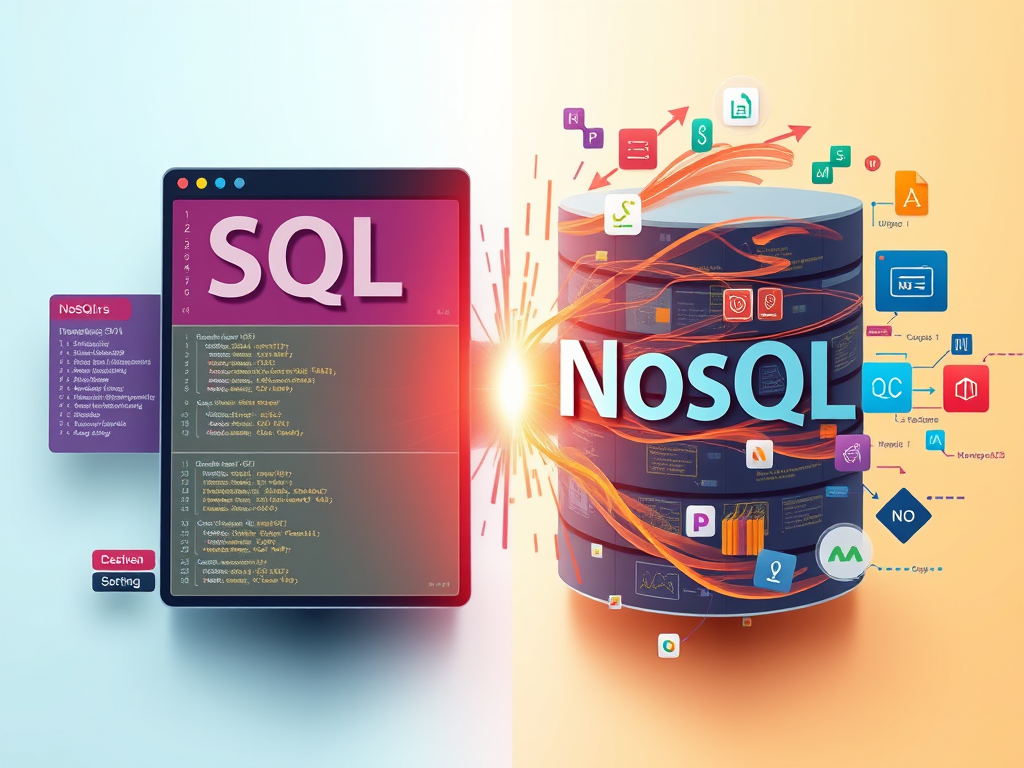 Continue reading →: NoSQL vs SQL
SQL databases are structured and relational, suitable for applications requiring strict data integrity and complex queries. In contrast, NoSQL databases support flexible, unstructured data, excelling in scalability and performance for high-speed applications. The choice between them depends on data structure, scalability needs, and consistency requirements for specific applications.
-
 Continue reading →: Horizontal Scale vs Vertical Scale
The content explains horizontal and vertical scaling in IT, detailing their definitions, advantages, and limitations. Horizontal scaling involves adding more servers to distribute workloads, ideal for high availability and unpredictable demands. Vertical scaling upgrades a single machine’s resources, suited for simpler systems. It highlights a hybrid approach combining both methods,…
-
 Continue reading →: Solution Architect vs Solution Designer
The separation of Solution Architect and Solution Design roles is vital for achieving both strategy and execution in solution development. The Solution Architect defines the overall vision and technical direction, while Solution Design translates that vision into detailed designs for system components, ensuring practicality and alignment with business needs.
-
 Continue reading →: Journey from Developer to Solution Architect
The roadmap outlines the journey from Junior Developer to Solution Architect, detailing essential knowledge areas, actions, challenges, and soft skills at every stage. It emphasizes the importance of programming expertise, system architecture understanding, and leadership qualities, while addressing communication and adaptability as crucial skills to navigate the evolving technology landscape…
-
 Continue reading →: Event-Driven vs Microservice Architecture
Event-Driven Architecture (EDA) and Microservice Architecture are popular strategies for building scalable applications. EDA relies on asynchronous event communication, fostering real-time responsiveness, while Microservices utilize direct APIs for interactions. By combining both, developers can enhance system scalability, flexibility, and fault tolerance, crucial for modern applications.
-
 Continue reading →: Understanding Design Patterns: Creational, Structural, and Behavioral Categories
This detailed overview covers the 23 classic design patterns introduced by the “Gang of Four” in their book “Design Patterns: Elements of Reusable Object-Oriented Software.” Patterns are grouped into three categories: Creational, Structural, and Behavioral, each serving specific purposes in object-oriented design and programming.
-
 Continue reading →: Visitor Pattern
The Visitor Pattern is a Behavioral Design Pattern that separates operations from object structures, allowing the addition of new operations without modifying existing classes. It uses a visitor object for operations on elements, promoting flexibility and adhering to the Open-Closed Principle. Widely applicable in complex systems, it enhances maintainability and…
-
 Continue reading →: Template Method Pattern
The Template Method Pattern is a Behavioral Design Pattern that outlines the structure of an algorithm in a base class while allowing subclasses to implement or customize specific steps. It promotes code reuse, consistency, and flexibility by enforcing a standard process, making it especially useful in scenarios requiring variations in…
-
 Continue reading →: Strategy Pattern
The Strategy Pattern is a Behavioral Design Pattern that allows clients to select algorithms at runtime, providing flexibility and promoting maintainable code. It encapsulates algorithms in separate classes, enabling easy switching and adherence to the Open-Closed Principle. Common applications include payment processing, sorting, and validation, enhancing modularity and reusability.
-
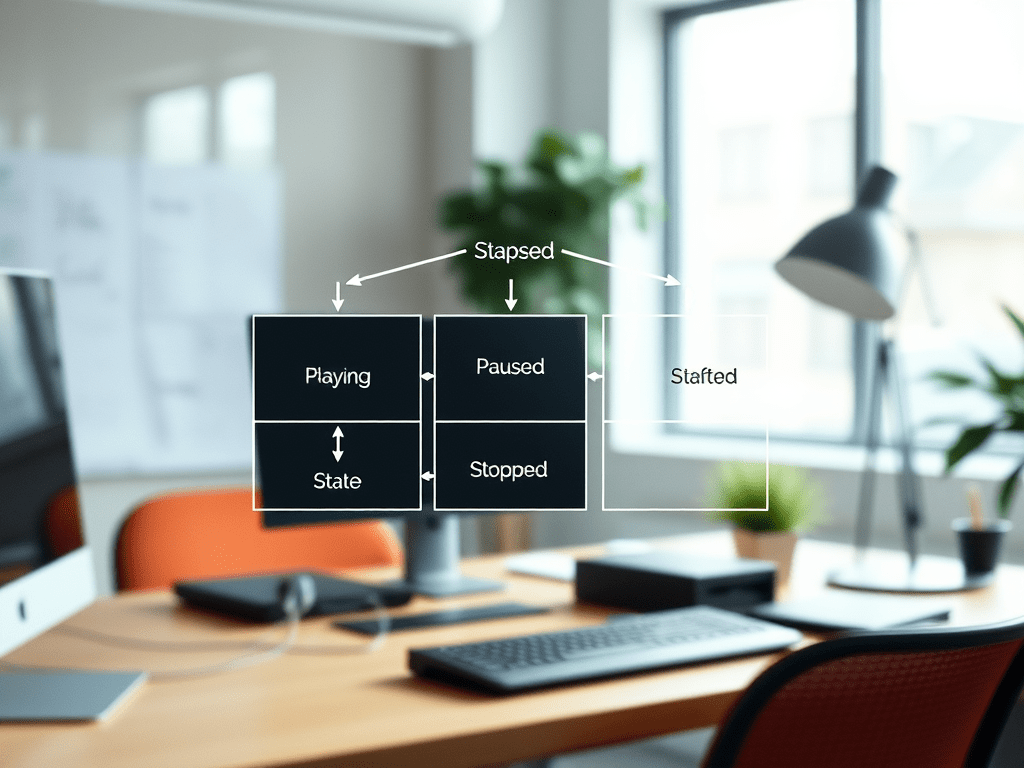 Continue reading →: State Pattern
The State Pattern is a Behavioral Design Pattern that enables an object to change its behavior based on its internal state through state-specific classes. It enhances modularity, readability, and maintainability, avoiding complex conditionals. Common applications include media players, traffic systems, and e-commerce workflows, allowing dynamic behavior management when transitioning between…
Hello,
I’m Tran Minh

Hi, I’m Trần Minh, a Solution Architect passionate about crafting innovative and efficient solutions that make technology work seamlessly for you. Whether you’re here to explore the latest in tech or just to get inspired, I hope you find something that sparks joy and curiosity. Let’s embark on this exciting journey together!
Let’s connect
Join the fun!
Stay updated with our latest tutorials and ideas by joining our newsletter.




 VuiLenDi