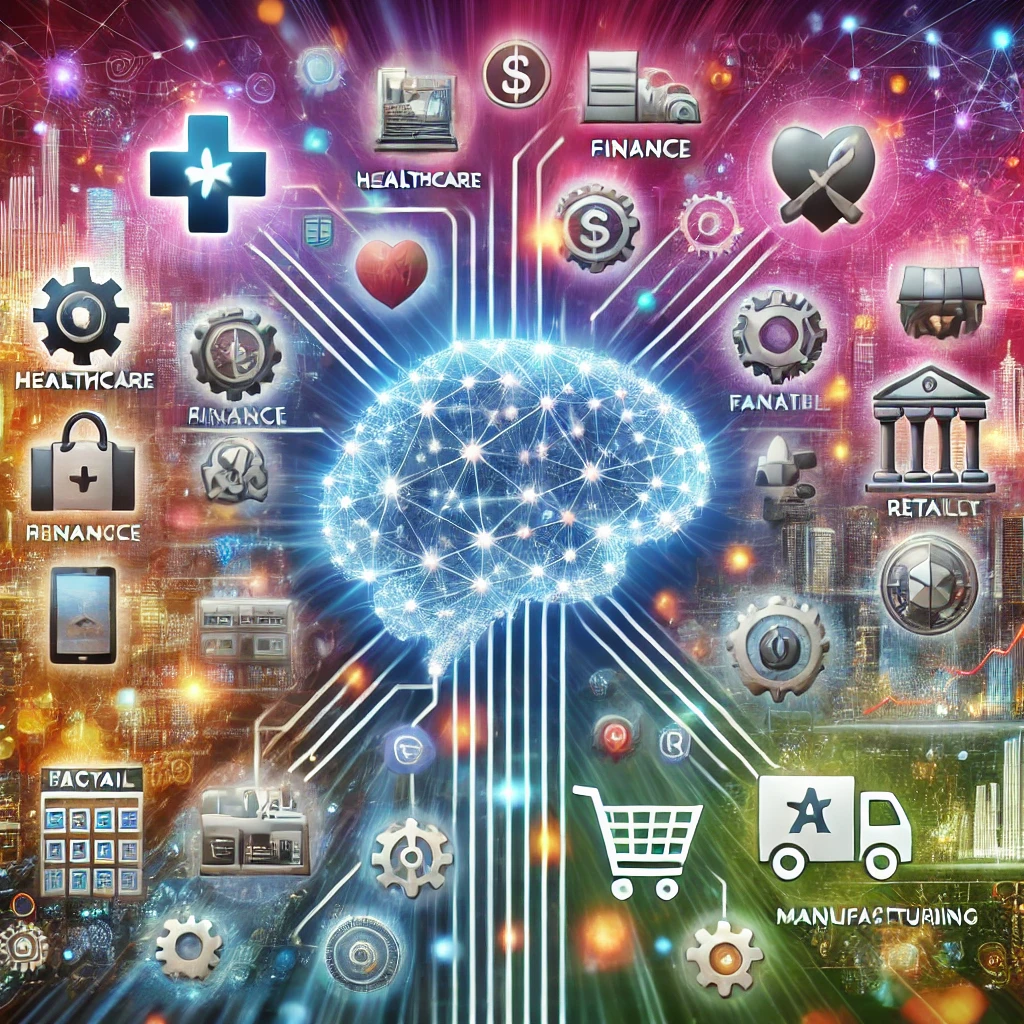
Artificial Intelligence (AI) is no longer a futuristic concept but a reality that is significantly impacting various sectors and shaping our daily lives. From virtual assistants on our smartphones to complex medical diagnosis systems, AI has proven to be a game-changer in countless industries. This blog will explore some of the most notable applications of AI across different domains, showcasing how this technology is revolutionizing the way we work, live, and interact.
1. AI in Healthcare: Revolutionizing Patient Care and Diagnosis

One of the most transformative applications of AI is in healthcare. AI systems are enhancing the capabilities of doctors and researchers by automating complex tasks, providing diagnostic insights, and enabling personalized patient care. Machine learning models can analyze medical records, identify patterns, and predict outcomes with a high degree of accuracy.
- Medical Imaging and Diagnostics: AI-powered imaging systems, such as those developed by companies like Zebra Medical Vision and Google Health, can detect abnormalities in medical images like X-rays, CT scans, and MRIs. For example, these systems can identify early signs of conditions like breast cancer, pneumonia, and cardiovascular diseases with accuracy comparable to or even better than human radiologists.
- Drug Discovery: AI algorithms are accelerating the drug discovery process by simulating how different drugs interact with diseases at a molecular level. Companies like Atomwise use AI to predict the efficacy of new drugs and even suggest new compounds that could potentially treat diseases more effectively.
- Personalized Medicine: AI systems like IBM Watson for Oncology analyze a patient’s medical history, genetics, and lifestyle to suggest personalized treatment plans. By tailoring treatments to individual patients, doctors can increase the likelihood of successful outcomes and reduce side effects.
- Predictive Analytics in Patient Care: AI models predict patient readmissions, suggest preventive measures, and even monitor patient vitals remotely, ensuring timely interventions. For example, Health Catalyst uses AI to predict potential sepsis cases by monitoring patient data in real time, allowing for early intervention.
2. AI in Finance: Enhancing Decision-Making and Security

The finance sector has been quick to adopt AI, leveraging its capabilities to automate processes, analyze large datasets, and detect fraudulent activities. AI systems are making financial services more efficient, secure, and accessible.
- Algorithmic Trading: AI algorithms are used in high-frequency trading to execute trades at lightning speeds based on market trends and data. These systems, such as those used by QuantConnect and Kavout, can analyze massive amounts of historical and real-time data to make split-second decisions that maximize profits.
- Credit Scoring and Risk Assessment: Traditional credit scoring models rely on a limited set of data points, but AI can incorporate a wider array of data, including social media behavior, payment history, and even spending habits, to provide a more comprehensive credit profile. Companies like Zest AI and Upstart use AI to offer credit products to underserved populations while reducing the risk of default.
- Fraud Detection: AI models like Feedzai and Darktrace use machine learning to detect unusual patterns of transactions that may indicate fraud. These systems continuously learn and adapt to new types of fraudulent behavior, significantly reducing the number of false positives compared to traditional rule-based systems.
- Chatbots for Customer Service: AI-powered chatbots are transforming customer service in banking and finance. For example, Erica, Bank of America’s virtual assistant, helps customers with tasks like checking balances, scheduling payments, and even providing financial advice.
3. AI in Retail and E-commerce: Personalization and Inventory Management
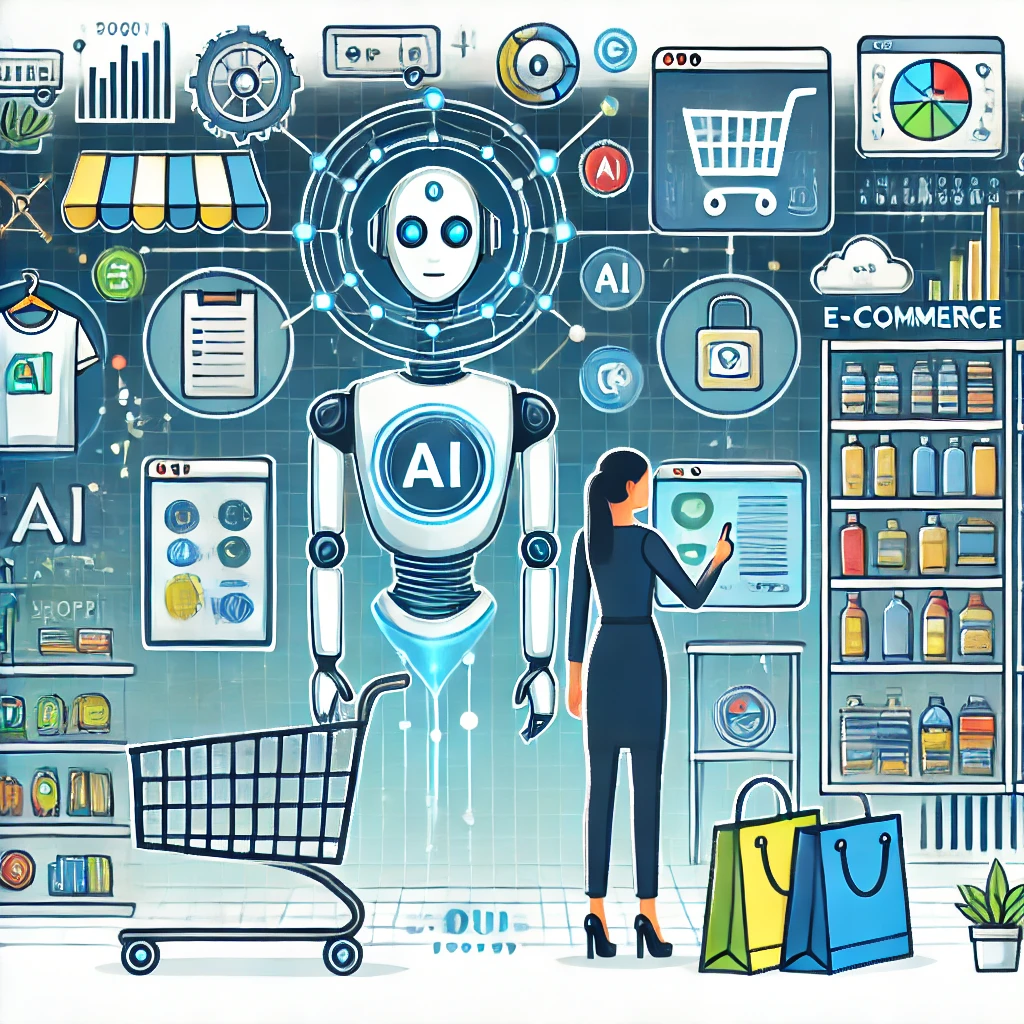
The retail industry is being reshaped by AI, which is helping companies deliver more personalized experiences, optimize inventory management, and predict consumer trends.
- Recommendation Systems: AI-driven recommendation engines are used by platforms like Amazon, Netflix, and Spotify to suggest products, movies, or music based on user preferences and past behavior. These systems analyze large amounts of user data to create a personalized shopping or entertainment experience, boosting customer satisfaction and engagement.
- Inventory and Supply Chain Optimization: AI models predict demand patterns and optimize supply chains, reducing costs and minimizing waste. For instance, Walmart uses AI to forecast demand for products in different regions and adjusts inventory levels accordingly, ensuring that popular items are always in stock.
- Virtual Shopping Assistants: AI-powered chatbots and virtual assistants help customers find products, provide recommendations, and answer questions. Retailers like H&M and Sephora use AI assistants to engage customers, offer personalized style suggestions, and guide them through their shopping journey. This improves customer service efficiency and creates a more interactive shopping experience.
- Dynamic Pricing: AI algorithms adjust prices dynamically based on demand, competition, and other market conditions. E-commerce platforms like Alibaba use AI to monitor these factors and adjust product prices in real-time, ensuring competitive pricing while maximizing profits.
4. AI in Manufacturing: Optimizing Production and Quality Control

AI is transforming manufacturing through automation, predictive maintenance, and quality control, enabling companies to achieve higher efficiency and reduced downtime.
- Predictive Maintenance: AI models analyze data from machinery sensors to predict when equipment will need maintenance or repairs, preventing unexpected breakdowns. For example, General Electric uses AI to monitor its turbines and aircraft engines, predicting maintenance needs before a failure occurs, saving millions in repair costs and minimizing downtime.
- Robotics and Automation: AI-powered robots perform repetitive tasks with high precision, such as assembling products on the production line or packaging goods. Fanuc and KUKA are leading companies that integrate AI into their robotics systems to adapt to different tasks and improve efficiency in assembly lines.
- Quality Control: AI-based vision systems, like those developed by Cognex and Siemens, use machine learning algorithms to detect defects in products at a microscopic level. These systems can identify tiny imperfections in manufacturing processes that human inspectors might miss, ensuring that only high-quality products reach customers.
- Supply Chain Optimization: AI analyzes supply chain data to optimize logistics and reduce costs. For example, Siemens uses AI to monitor global supply chains, anticipate potential disruptions, and recommend alternative suppliers or routes.
5. AI in Transportation and Logistics: Driving Automation and Efficiency

AI is at the forefront of innovations in transportation and logistics, from self-driving vehicles to smart route planning. These advancements are making transport safer, more efficient, and environmentally friendly.
- Autonomous Vehicles: Companies like Tesla, Waymo, and Uber are developing self-driving cars that use AI to navigate roads, detect obstacles, and make real-time decisions. These vehicles use deep learning and computer vision algorithms to process data from cameras, radar, and lidar sensors, enabling them to drive autonomously.
- Fleet Management and Route Optimization: AI algorithms optimize fleet management by analyzing traffic patterns, weather conditions, and delivery schedules. Companies like UPS and DHL use AI-powered route optimization tools to reduce fuel consumption, improve delivery times, and lower operational costs.
- Smart Traffic Management: AI is used to manage traffic in real-time by adjusting traffic light patterns, predicting congestion, and rerouting vehicles. For instance, cities like Los Angeles use AI to monitor traffic conditions and dynamically adjust traffic signals, reducing congestion and improving commute times.
- Drones and Automated Warehousing: AI-powered drones and robots are being used in warehouses and delivery systems. Amazon Robotics uses AI to automate tasks such as sorting, picking, and packing items in warehouses, while companies like Zipline are using drones to deliver medical supplies to remote areas.
6. AI in Education: Personalized Learning and Automated Grading

The education sector is being transformed by AI, which enables personalized learning experiences, automates administrative tasks, and provides new ways to engage students.
- Personalized Learning Platforms: AI-based platforms like Duolingo and Coursera tailor lessons to individual learning speeds and preferences. These platforms use AI to analyze how students interact with content and adjust the difficulty level or offer additional resources based on their performance.
- Automated Grading and Feedback: AI systems can grade multiple-choice tests, essays, and even provide feedback on student assignments. For example, platforms like Gradescope use AI to help educators grade and provide comments faster, reducing administrative workload and allowing for more focus on student interaction.
- Virtual Tutors and Chatbots: AI-powered chatbots, like Georgia Tech’s Jill Watson, serve as virtual teaching assistants, answering student queries, providing guidance, and facilitating discussions. These virtual assistants are available 24/7, offering support outside of classroom hours.
- Learning Analytics: AI models analyze student data to identify learning gaps, predict dropout rates, and recommend interventions. Schools and universities use AI to gain insights into student performance and tailor their support strategies accordingly.
7. AI in Entertainment: Content Creation and Enhanced Experiences

AI is changing how content is created and consumed in the entertainment industry, from generating music and art to recommending movies and games.
- Content Recommendation Systems: Platforms like Netflix, Spotify, and YouTube use AI algorithms to recommend content based on user preferences, past behavior, and trending topics. These recommendation systems create a personalized experience for each user, increasing engagement and retention.
- AI-Generated Content: AI tools like DALL-E for image creation and OpenAI’s GPT-3 for text generation can produce creative content, including images, stories, and even music. These systems are used by artists, writers, and designers to enhance creativity and streamline the content creation process.
- Virtual Reality and Gaming: AI is used in gaming to create dynamic environments and intelligent non-player characters (NPCs) that adapt to player actions. Games like The Sims and Grand Theft Auto use AI to simulate realistic behaviors and scenarios, making gameplay more immersive.
- Movie and Video Editing: AI tools such as Adobe Sensei assist in video editing by automating tasks like color correction, scene detection, and video summarization, allowing creators to focus on the creative aspects of filmmaking.
8. AI in Agriculture: Precision Farming and Yield Prediction

Agriculture is another sector where AI is making a significant impact, helping farmers increase crop yields, reduce waste, and manage resources more effectively.
- Precision Agriculture: AI-powered drones and sensors collect data on soil conditions, crop health, and weather patterns, enabling farmers to optimize irrigation, fertilization, and pest control. Companies like John Deere use AI to create autonomous tractors and planting systems that perform tasks with high precision.
- Yield Prediction: AI models can predict crop yields based on historical data, weather forecasts, and satellite imagery. For example, Ceres Imaging uses AI to analyze aerial images of fields and detect potential issues such as nutrient deficiencies or irrigation problems.
- Automated Harvesting: AI-powered robots like those developed by Harvest CROO Robotics can pick fruits and vegetables with minimal human intervention, reducing labor costs and increasing efficiency.
- Disease Detection and Management: AI models identify signs of diseases and pests early, helping farmers take preventive measures. Apps like Plantix use AI to analyze images of plants and diagnose diseases, recommending treatments to farmers.
Conclusion
AI is reshaping industries and transforming the way we live, work, and interact. From healthcare and finance to entertainment and agriculture, AI applications are unlocking new possibilities and driving unprecedented efficiencies. As AI continues to evolve, its impact will only grow, paving the way for a future where intelligent systems work alongside humans to create smarter solutions and a better world.
Understanding these diverse applications of AI helps us appreciate its potential and anticipate its transformative effects on our lives and society.




 VuiLenDi
Leave a comment